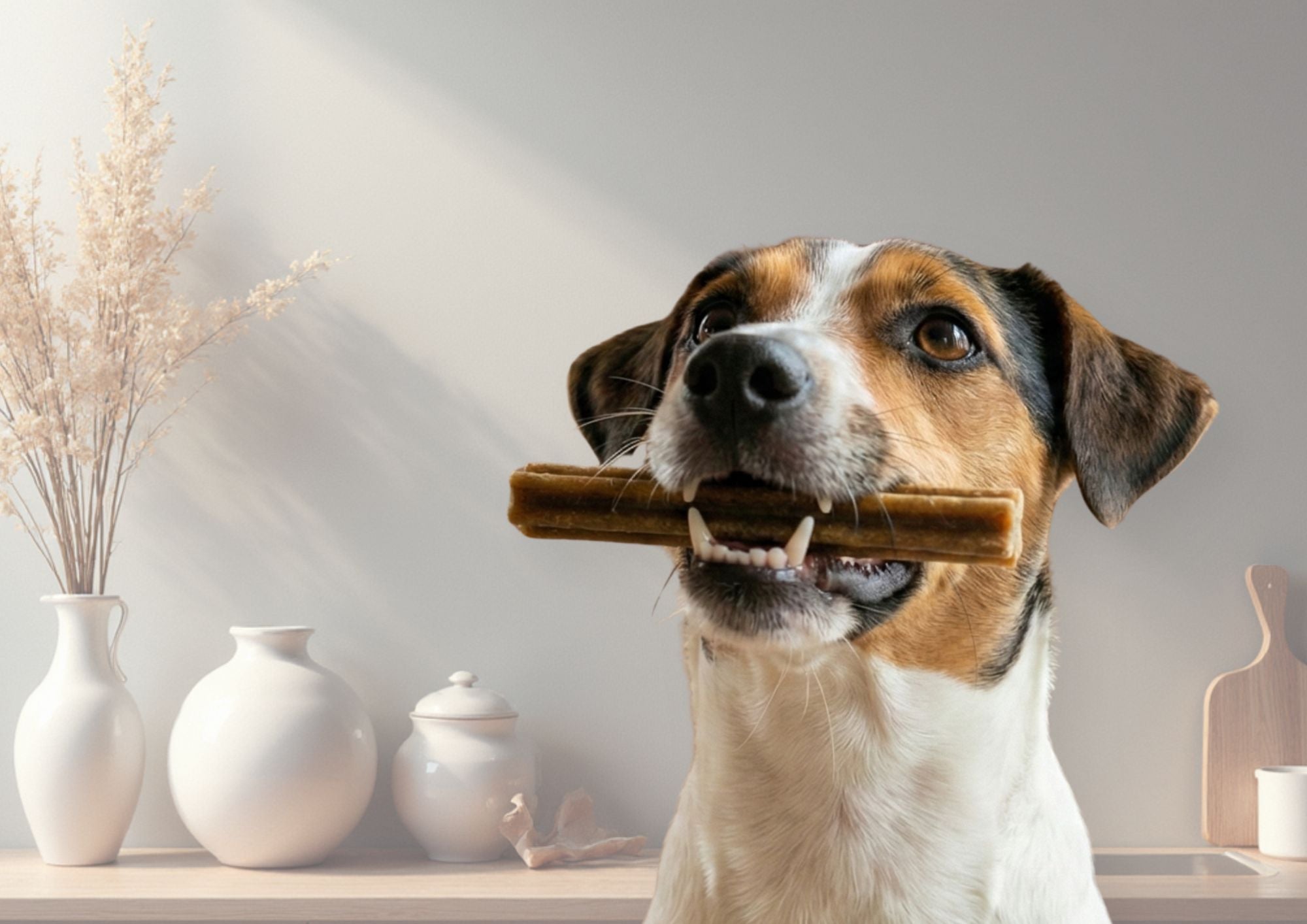
Training is based on building a common language and trust between the dog and the owner. In this interaction, the right kind of rewards act as an effective motivator and make learning meaningful for both parties. High-quality dog treats serve as communication tools that help the dog understand they have succeeded in the desired task.
In an active everyday life, repetitions often occur dozens of times a day, making the quality of rewards highly significant for the dog's health. Pieces that are too large or poor in nutritional value easily lead to weight gain or cause stomach upset, which lowers the dog's enthusiasm for work. Thus, an optimal training treat combines irresistible taste, healthy ingredients, and a practical size. When the reward is right, the dog stays focused on learning a new trick or practicing socialization even in busy environments.
Consider these factors when choosing training treats
In a training situation, the physical characteristics of the treat directly affect the flow of the exercise. One of the key factors is the size of the piece. A training treat should be small enough for the dog to swallow immediately without a long chewing break. A suitable size maintains the tempo of the training and prevents loss of focus. If the dog has to stop to crunch on a large biscuit, the chain of the learning event is broken, and starting a new repetition requires more effort.
Energy density must also be taken into account. During an intensive training period, a dog may receive a significant portion of its daily energy requirements directly from rewards. Therefore, it is advisable to favor low-calorie options made from high-quality protein sources without unnecessary fillers or added sugar. When dog treats are nutritionally pure, you don't have to compromise on the amount of rewarding at the expense of health. The texture of the treats also matters: dry pieces stay clean in your pocket, while semi-soft treats are often more aromatic and thus more enticing in challenging environments.
Palatability and motivation in training
A dog's sense of smell strongly guides its motivation. The clearer and more meat-rich the scent of the treat, the higher its value is to the dog. Training often utilizes the concept of "pay scales": difficult tasks or environments with many distractions require a more attractive reward. For basic exercises done at home, regular dry kibble might suffice, but outdoors among other dogs and new smells, something especially tasty is needed.
Palatability does not require artificial flavors. Natural ingredients, such as Nordic fish, venison, or carefully dried beef, naturally offer the dog a strong taste experience. Dogs have individual preferences: some favor crunchy fish pieces, while others appreciate a tougher chew. Varying the rewards keeps the dog's alertness high, and the element of surprise is an effective way to maintain the joy of learning. For calm activities and dental care, chew bones are more suitable, but in active training, quick and small-sized pieces are excellent.
Sustainability in dog treats as part of everyday life
Awareness of the environmental impact of pet feeding is constantly growing. Training treats, which are consumed in large quantities, form a part of the dog's carbon pawprint. A sustainable way to reward a dog is based on utilizing the circular economy—meaning the use of high-quality ingredients that would otherwise be left out of food production.
For example, side streams from the fishing industry are excellent sources of protein and omega fatty acids. Utilizing them reduces food waste and saves natural resources. Domestic and Nordic ingredients shorten transportation distances, which further reduces emissions. By choosing responsible treats, the owner can be certain of the product's quality and ethics. By utilizing side streams, the treats are nutritionally excellent and offer a clean alternative for daily rewarding.
Make training tastier and more responsible
In Alvar Pet's selection, you will find irresistible, low-emission treats designed by veterinarians and made from Nordic ingredients. Give your dog a reward that supports both wellbeing and the environment.
Pure ingredients support a dog with a sensitive stomach
Many dogs have a sensitive stomach or food sensitivities. In training situations, as treat quantities increase, grains, sugar, or artificial colorants may irritate the intestines. This is often reflected in restlessness or digestive issues. The best dog treats contain only a few carefully selected ingredients, making it easy for the owner to monitor their suitability for their pet.
Being additive-free is an advantage especially for growing dogs. The natural drying process preserves the flavor of the ingredients without added salt, which is important for kidney health. When the treat is pure, it digests efficiently and provides steady energy without blood sugar spikes. This helps maintain concentration throughout the entire training session, whether it's a puppy course or a goal-oriented hobby group.
Choosing the right rewards promotes the dog's wellbeing and smooth cooperation. Training is at its best an interaction where both enjoy successes. When tasty and healthy treats are in use, the owner can focus on supporting the dog. Various textures and chew bones given between exercises for settling down offer a comprehensive selection for everyday needs.
High-quality training treats keep tails wagging and minds clear. Whether it's a puppy or an experienced hobby dog, good nutrition is the foundation of everything. By choosing pure flavors and responsible production, you ensure your dog has the best tools for lifelong learning.